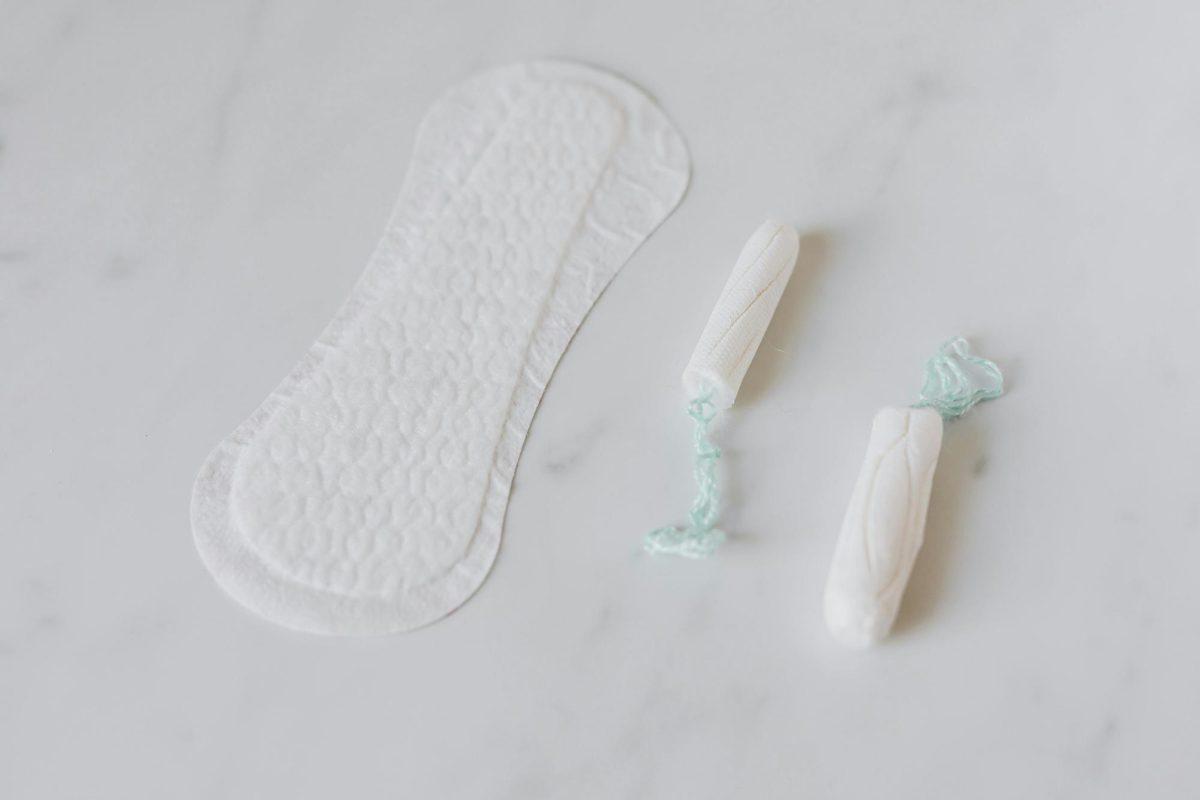
At some point in nearly every menstruating person’s life, a period arrives unexpectedly, during school, at work, or in public, turning a normal day into a stressful and uncomfortable situation, especially if the supplies needed are not available to you. Across the world, menstrual products such as pads, tampons and menstrual cups are still treated as luxury goods rather than basic necessities. This practice forces a significant financial burden and has real consequences for all who need menstrual products. Despite growing awareness of tampon tax and issues with equality, these tax policies remain. For these reasons, menstrual products should not be taxed as luxury items any longer but recognized and treated as they are: essential health necessities.
Alliance for Period Supplies points out that period products are being taxed as luxuries, treating them the same as nonessential items and not recognizing them as an unavoidable expenditure for all menstruating people. They point out that in many states, these products are taxed the same as decor, electronics, makeup, and toys. Though menstrual products are essential for half the population, they are still being categorized under these purchases that are optional to most.
Supporting this, a comprehensive review of menstrual product taxation across the United States found that taxation often places these goods alongside luxury items, rather than necessities like food or medicine. The authors of the National Library of Medicine state that “taxing menstrual products… inherently means that the taxable event in question is the biological condition of menstruation.” This creates a largely unfair financial burden on people who are simply trying to manage a biological function.
While some countries and U.S. states have removed taxes on period products, many places still apply them. For example, in the U.S. there isn’t a universal policy; some states classify these products as necessities eligible for a lower or zero sales tax, but sales taxes on period products still exist in many states, leaving many who menstruate struggling.
Access to menstrual products isn’t merely a financial issue; it’s an issue that reflects people’s lack of health and rights. When people cannot afford basic menstrual care, the consequences extend much further than you may believe. Many are forced to miss school or work and resort to other unsafe and uncomfortable alternatives that can cause irritation and infections. Looking at national data, Harvard Health reports that 64% of women have struggled at some point to afford menstrual products, and 21% face this difficulty every month. No one should have to compromise their health and daily responsibilities due to the lack of care for a natural, biological difference.
When menstrual products are taxed as luxury items, it reinforces outdated stereotypes about menstruation and allows for the long-standing gender inequity that all women already have to deal with. Research has shown that taxation contributes directly to menstrual poverty, situations where people skip school, work, or social activities because they cannot afford menstrual care.
Some countries have shown a different approach. Places like Scotland and New Zealand treat this like the important topic that it is, providing these products for free in schools and public spaces rather than taxing them as luxuries. A Scottish Government survey shows the impact of these policies: 77% of respondents felt more able to continue with their day-to-day activities, 74% felt less worried about their periods, and 67% experienced a positive effect on their household finances after gaining access to free period products. These policies aim to reduce financial stress, support students’ attendance and lessen the shame around menstruation, and that’s exactly what they’ve done. Places like these demonstrate that removing costs and restrictions like these does make an impactful difference, and the U.S. should follow.
Removing luxury tax doesn’t only impact cost, but it also sends a powerful message about people valuing the health of those who menstruate. When items like food and medicine are largely recognized and considered as necessities and are exempt from certain taxes, but menstrual products are left behind and looked past, the policy reinforces systemic inequality.