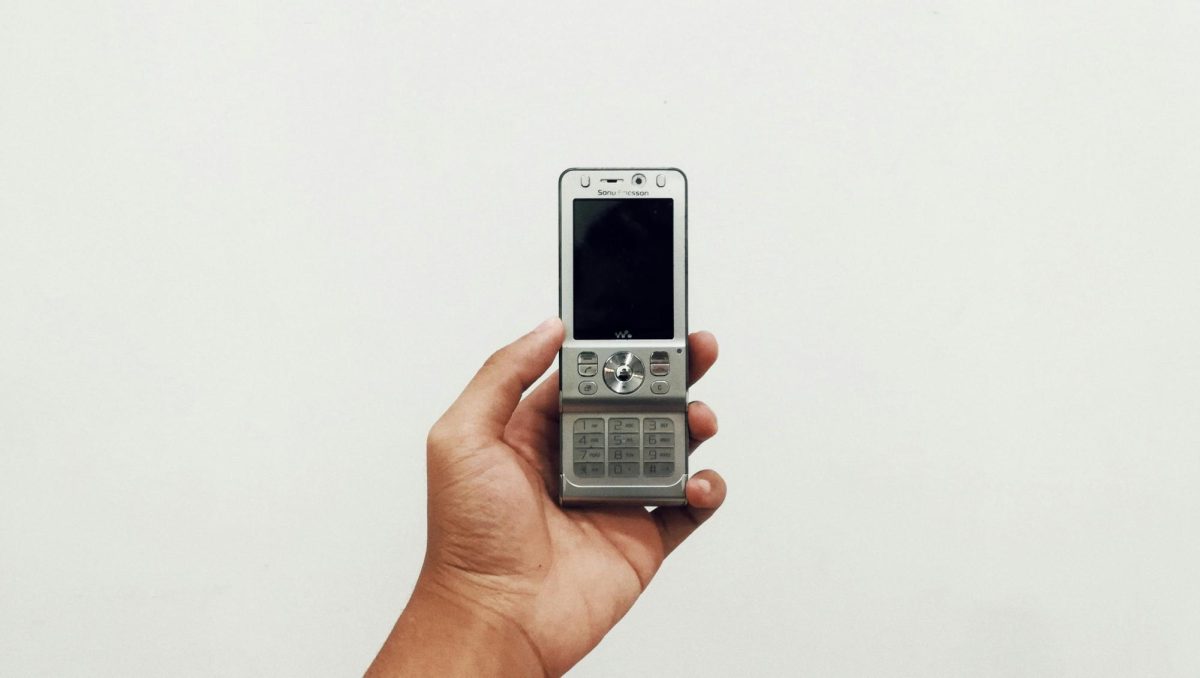
From our first forays into exploring technology, society’s views on the use of it has significantly changed. What used to be strange and useless — like the first “brick” cellular phones or the early, text-only internet — has evolved into the essential tools that now connect the global population.
But generations often have clashing perspectives on technology and electronic devices. Boomers, Gen X, and older generations often view technology as a distraction that triggers procrastination. As many have seen firsthand, older generations blame many issues in our society on the use of technology. For example, a claim that people in older generations make is that Gen Z and younger generations always read the news on electronic devices, instead of picking up a newspaper. While this is the case to a certain extent, even people in older generations complete their daily tasks or watch the news online. According to Eurostat, 61% of people who are over sixty-five also use the internet to research in European countries. Moreover, a report done by Stanford University claims that people over 80 who use technology for information and communication often report feeling mentally and physically healthier.
Meanwhile, Gen Z or younger generations do realize that there are issues regarding technology. They view technology as a key to their ability to communicate with others and to access information — in short, a solution to their problems. According to a study done by the Pew Research Center, over 50% of people who use technology find their lives to be more productive after the rise of social media and technology. With just a few clicks, people can talk to anyone around the world and find websites that can help with education.
The reactions to the use of technology seem to be the most prominent contrast between older and younger generations. Older generations typically claim that electronic devices will become the downfall of Generation Z and younger generations. While this may seem like a fair claim, the hurdle is low even for older generations. Like the young who also use digital technology for entertainment, people in older generations have also developed an attachment to televisions. Perhaps the device that holds the most value is the only significant difference. Younger and older generations both rely on certain devices to get their information and entertainment.
Instead of increasing the animosity between younger and older people, people who were born in younger generations should try their best to stay patient and educate the elderly on how electronic devices play a crucial role in their lives. Websites and classes can be created for those who want to learn more about how to use electronic devices. People who were born in older generations should also try to be more open to adapting to changes in society. Instead of trying to criticize younger generations and find differences, older generations should try to understand that electronic devices are a valuable tool to society. Ultimately, society can only develop if both younger and older generations work together as a team.